February 19, 2026
Dental visits can be a source of anxiety for many children, instilling fear and trepidation due to unfamiliar environments and experiences. However, making these visits fun and educational is crucial for instilling lifelong oral hygiene habits and reducing early childhood cavities. This article explores insights from pediatric dentists to transform dental trips into positive, stress-free experiences for kids.
Understanding Children's Fears and Anxiety
The Roots of Dental Fear in Children
The fear of dental visits often stems from a child's natural response to new and unfamiliar experiences. Loud noises from dental equipment and the prospect of discomfort can amplify this fear. Moreover, children's imaginations can sometimes exaggerate their expectations based on stories they've heard from peers or media. Important figures in a child's life—parents, siblings, and friends—can inadvertently pass on their anxieties about dentists. It is vital to address these fears early, helping to quell them before they develop into deeper-rooted anxieties.
How Anxiety Manifests in Kids at the Dentist
Children's dental anxiety can manifest in various ways, from refusal to enter the dental office to crying and tantrums. Some children may experience physical reactions like trembling, sweating, or an upset stomach. Others might internalize their anxiety, becoming unusually quiet or withdrawn. It's essential for dental professionals to recognize these signs and respond empathetically. By engaging with these children patiently, dentists can ease their discomfort and make the dental experience more manageable.
Parental Influence on Child's Dental Anxiety
Parents play a significant role in shaping their child's perception of dental visits. Their attitudes toward oral health and dental professionals can influence how children approach their own dental care. A parent with dental anxiety might inadvertently project their fears onto their children. Positive reinforcement and modeling calm, nonchalant attitudes toward dental visits can help. According to My Children's Teeth, establishing an oral care routine early on, such as brushing with a soft-bristled toothbrush and fluoride toothpaste as soon as the first tooth appears, helps children become accustomed to dental hygiene practices.
Statistics and Studies on Dental Fear in Kids
Research indicates that approximately 9% of children in the U.S. have a specific phobia of dental visits. This statistic highlights the need for interventions that address these fears proactively. Studies show that children as young as two or three could start exhibiting anxiety about dental appointments. Hence, early educational interventions are paramount in making dental care routine rather than formidable. Pediatric dentists leverage these insights to implement strategies aimed at reducing anxiety through sensory adaptation and child-friendly communication.
The Long-term Impact of Dental Anxiety
Unchecked dental anxiety during childhood can have long-term repercussions, leading to poor oral health in adulthood. Avoidance of dental care due to fear can result in undetected cavities, gum disease, and other oral health problems. Additionally, the absence of early treatment can lead to more invasive procedures later, fueling a vicious cycle of avoidance and fear. Mitigating these anxieties early allows children to develop positive associations with dental care. Prevention and positive reinforcement are essential in creating lifelong dental hygiene habits.
The Role of Environment in Positive Dental Experiences
Creating a Kid-Friendly Dental Office Atmosphere
Transforming a dental office into a welcoming space can significantly reduce a child's apprehension. Bright colors, engaging decorations, and themed dental chairs can create a more inviting environment tailored to a child's interests. Visual distraction can also be a powerful tool; incorporating ceiling-mounted televisions showing cartoons or fun educational videos can divert attention. Fun and friendly wall murals with familiar characters can also calm and delight children. These elements work in tandem to make a dental office feel less clinical and more like a place of adventure and learning.
The Importance of Welcoming Waiting Areas
Waiting areas designed with children in mind can set the tone for the entire visit. Providing toys, books, and interactive screens can occupy children and keep them at ease while they wait. These activities also provide positive distractions that alleviate any nervous anticipation. Comfortable seating and dedicated play spaces allow children to relax and feel at home. Such a thoughtfully designed waiting room helps to gradually decrease anxiety even before the child steps into the dentist's chair.
Interactive and Educational Tools in the Clinic
An interactive dental experience provides children with knowledge and empowerment, making them partners in their oral health journey. Pediatric dentists utilize tools like oversized toothbrushes and model teeth to visually demonstrate proper brushing techniques. Moreover, interactive apps and educational games can reinforce good hygiene practices in a fun manner. These tools help demystify dentistry for children, turning what may seem like an intimidating process into an engaging learning activity. This educational engagement not only alleviates fear but also instills a sense of responsibility and enthusiasm in staying cavity-free.
Minimizing Sensory Overload: Colors and Sounds
Managing sensory experiences in dental offices is crucial for creating a calming environment for children. Noise-canceling headphones playing music or soothing sounds can block out distressing noises from dental machinery. Choosing colors strategically in the office—opting for soothing pastels rather than stark whites—can enhance a calming atmosphere. Dimmer lighting options can also prevent overwhelming bright lights from causing stress. Such sensory adaptations can improve a child's focus and comfort, contributing to a more positive overall experience.
The Power of a Warm, Friendly Staff
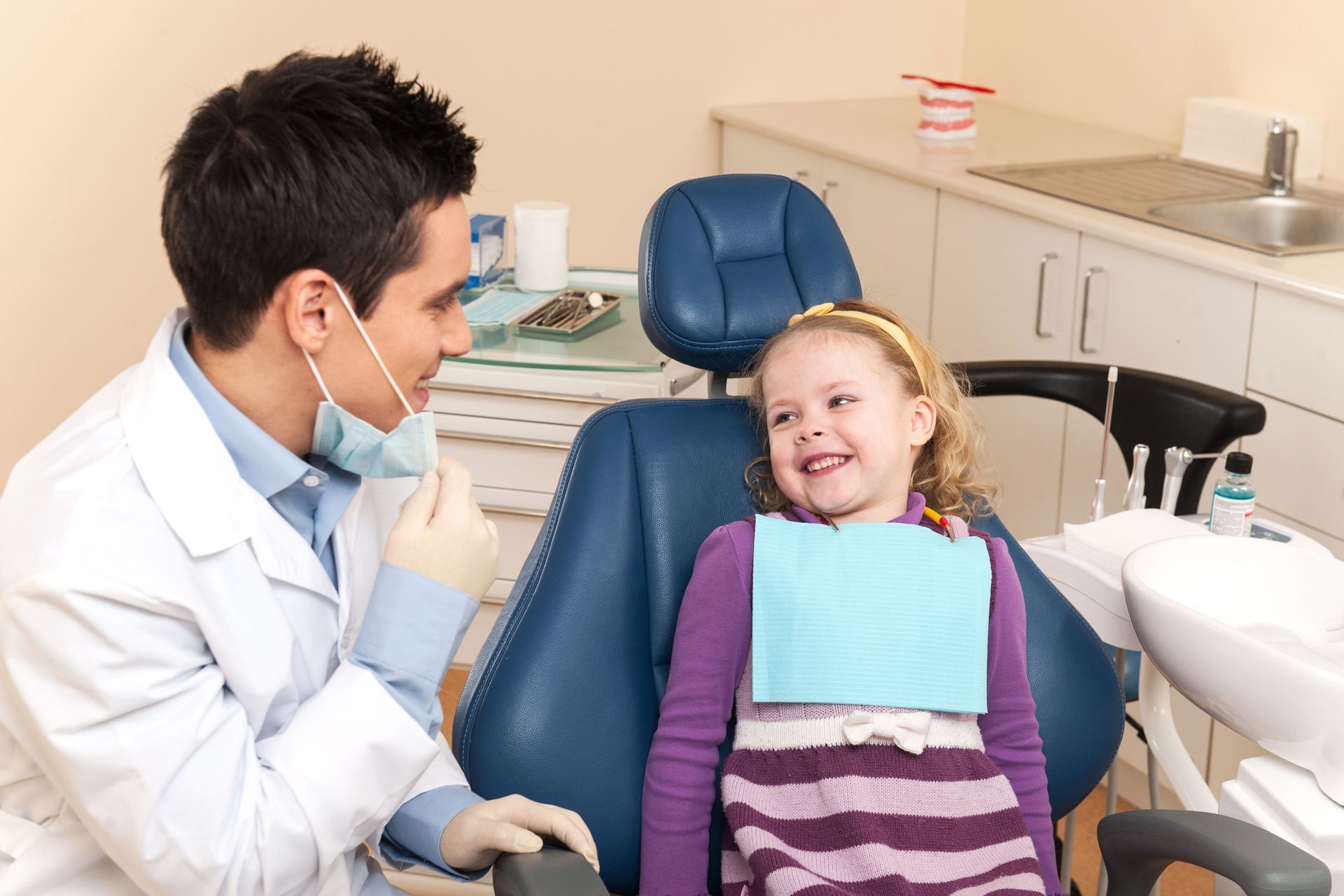
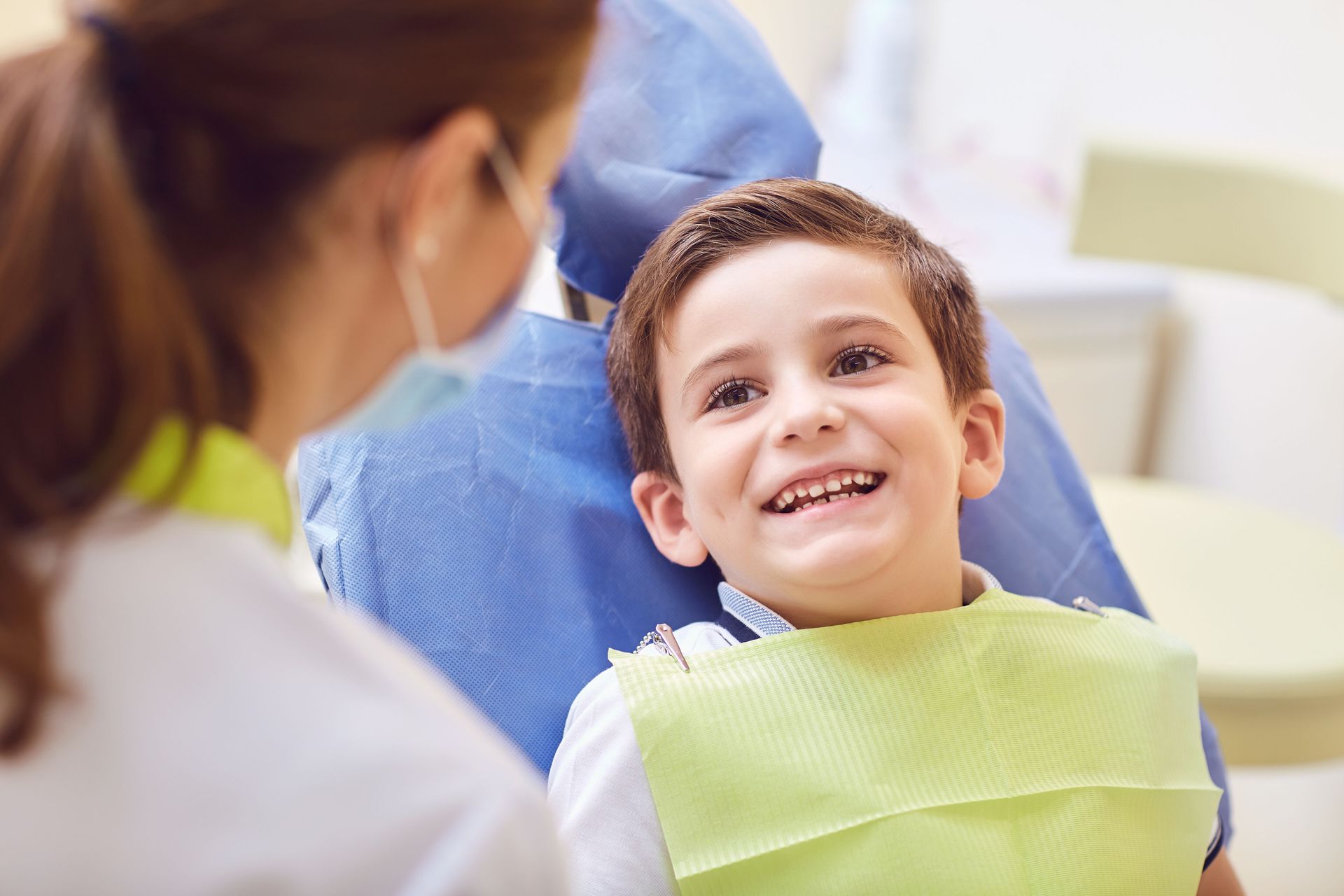
Engaging, friendly staff can turn a dental visit into a positive interaction. When staff members greet children warmly and communicate in child-friendly language, it sets a tone of kindness and understanding. Training dental staff in child psychology and behavior management can enhance their ability to deal with anxious, fidgety, or reluctant children. Building rapport with young patients is critical—when children feel understood and cared for, they are more likely to trust the dentist and cooperate. Positive relationships with the dental team make return visits less daunting and more eagerly anticipated.
Engaging Kids through Educational Initiatives
Integrating Dentistry with School Curricula
Partnering with schools to include dental care education as part of the curriculum can embed the importance of oral hygiene from a young age. School-based dental programs can introduce children to fundamental practices such as daily brushing, flossing, and regular check-ups. Moreover, interactive presentations and visits from dentists can demystify dental procedures and reduce fear. Ensuring these initiatives are engaging and age-appropriate can heighten their effectiveness. By making oral health education universally accessible, we sow the seeds of lifelong healthy habits.
Using Interactive Games and Apps for Oral Health Education
Digital tools have revolutionized how we engage children in learning; the same applies to oral health education. Interactive apps that incorporate games, quizzes, and rewards can make learning about dental hygiene fun and relatable. Concepts like brushing techniques, tooth anatomy, and the impact of sugar on teeth are simplified and animated, making them easily digestible for young minds. Such engaging content not only educates but also motivates children to take ownership of their oral health. The hands-on learning approach promotes long-term retention of healthy dental practices.
By adhering to the insights and practices discussed, we lay the groundwork for transforming dental visits into positive, integral components of children's healthcare routines. This article underscores the importance of addressing childhood dental anxiety promptly, utilizing both environmental and innovative strategies to ensure lifelong oral health. A hopeful outlook on the future envisions dental care as an exciting and rewarding journey—encouraging both children and parents to embrace and champion oral hygiene enthusiastically. Be sure to reach out to A.L.L. About Kids Pediatric Dentistry today for more information on our professional kids dentist!